


G-Shock 2500 Series
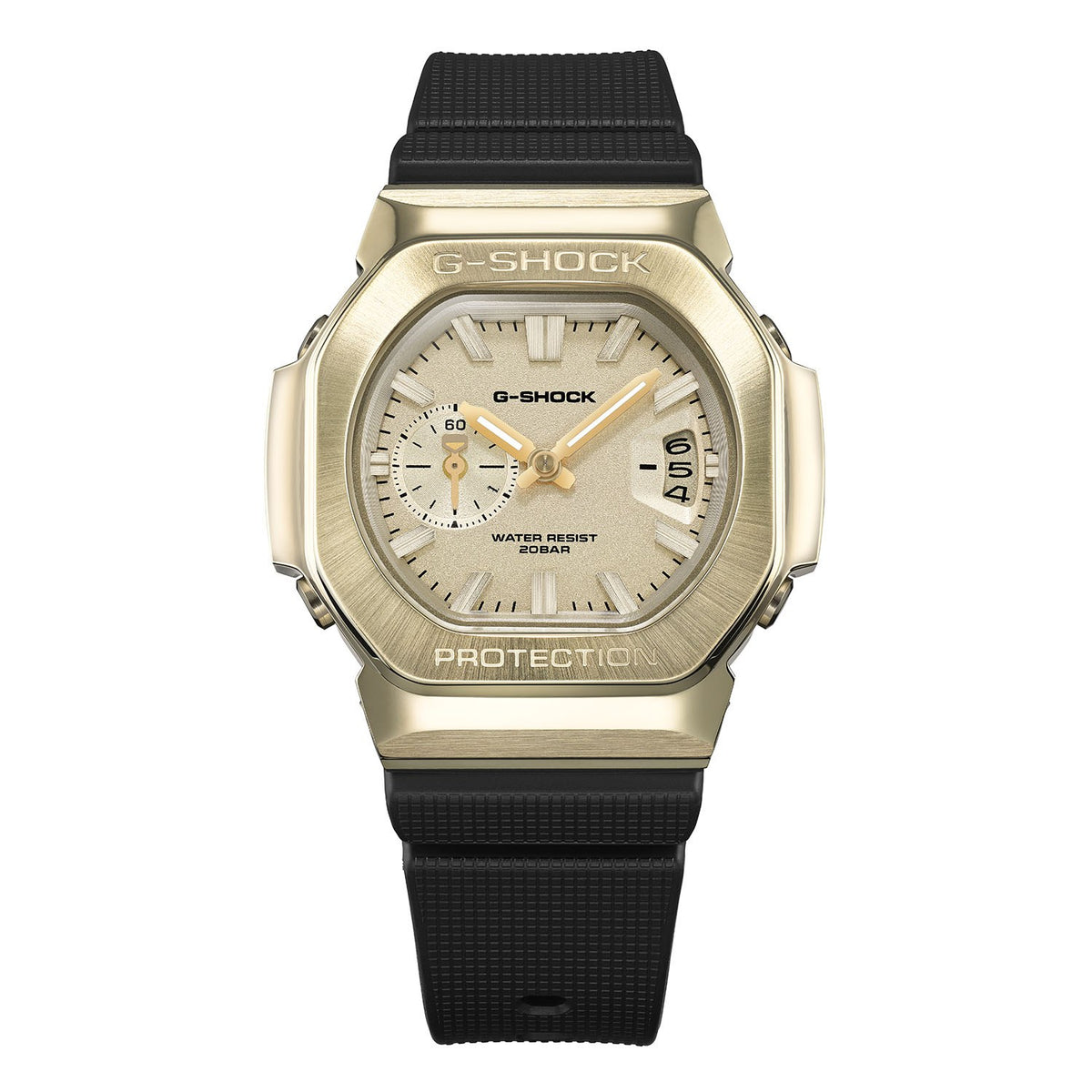
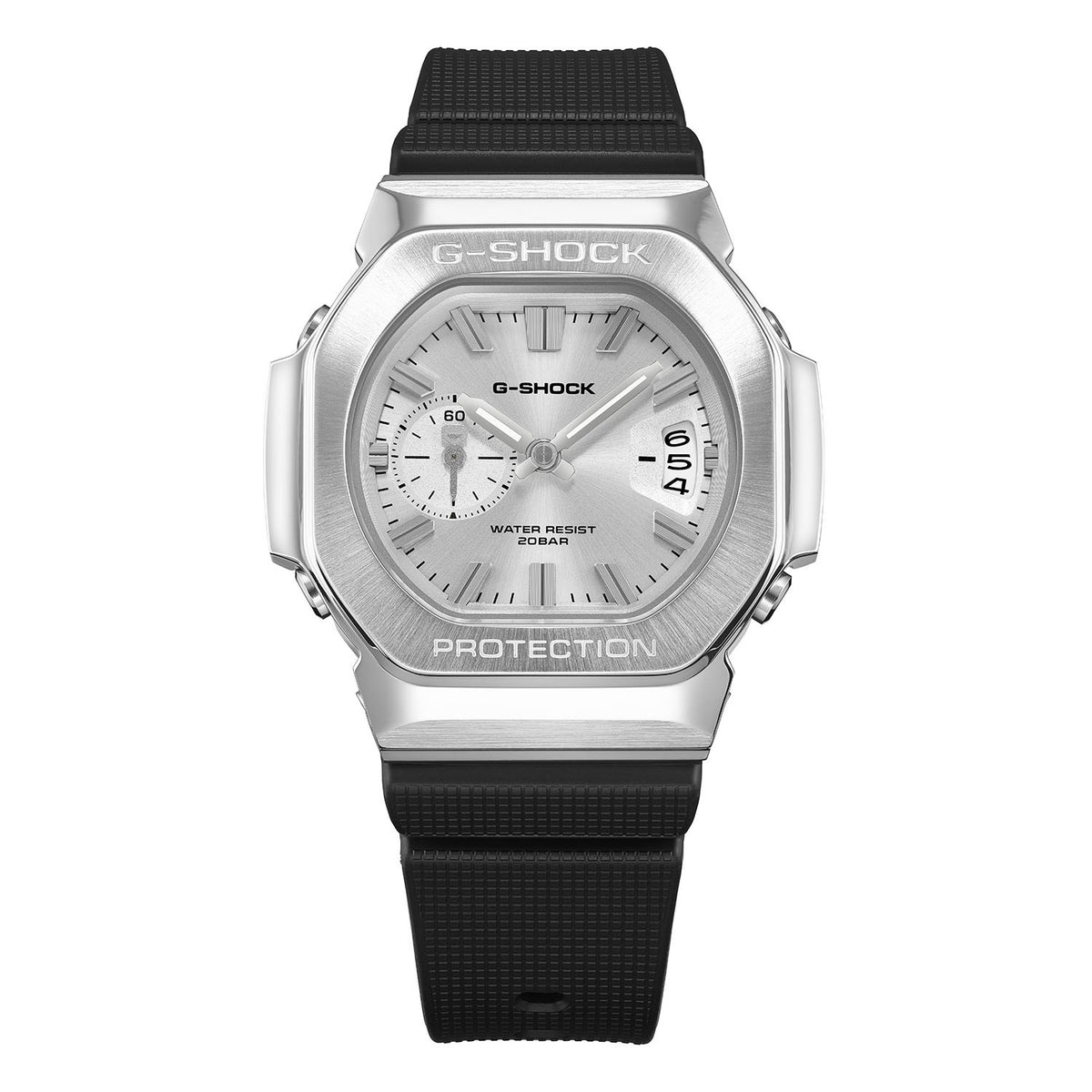
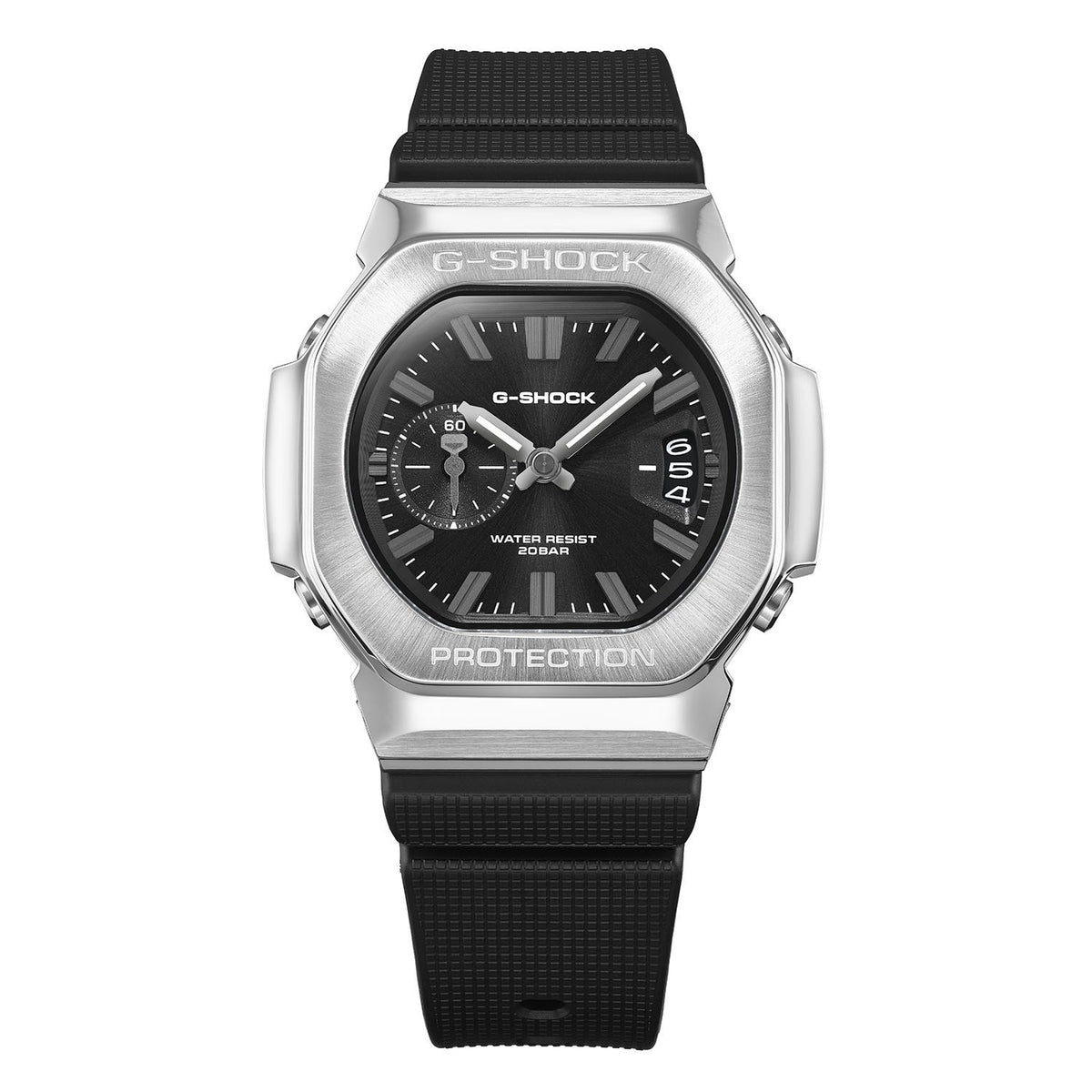
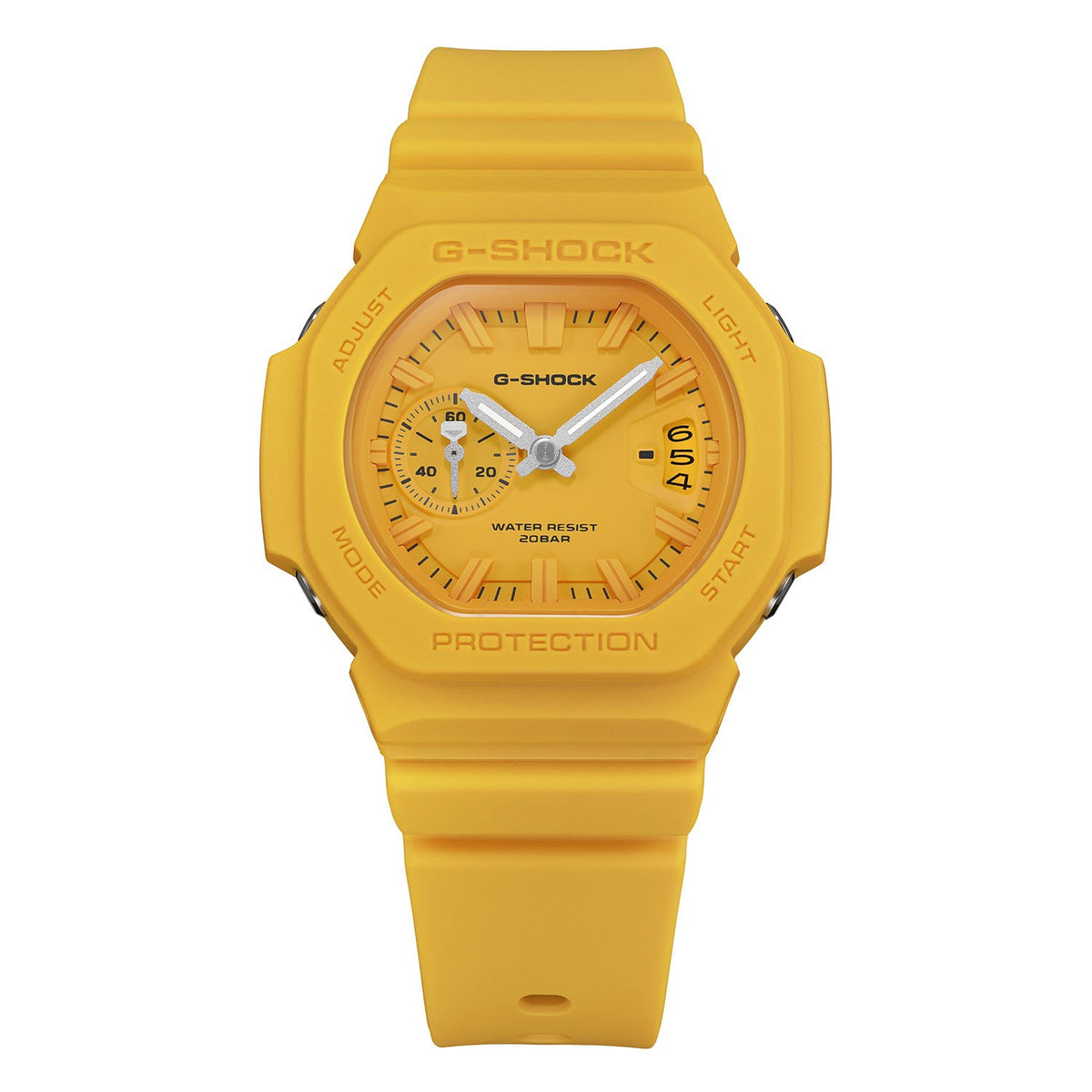
About G-Shock 2500 Series
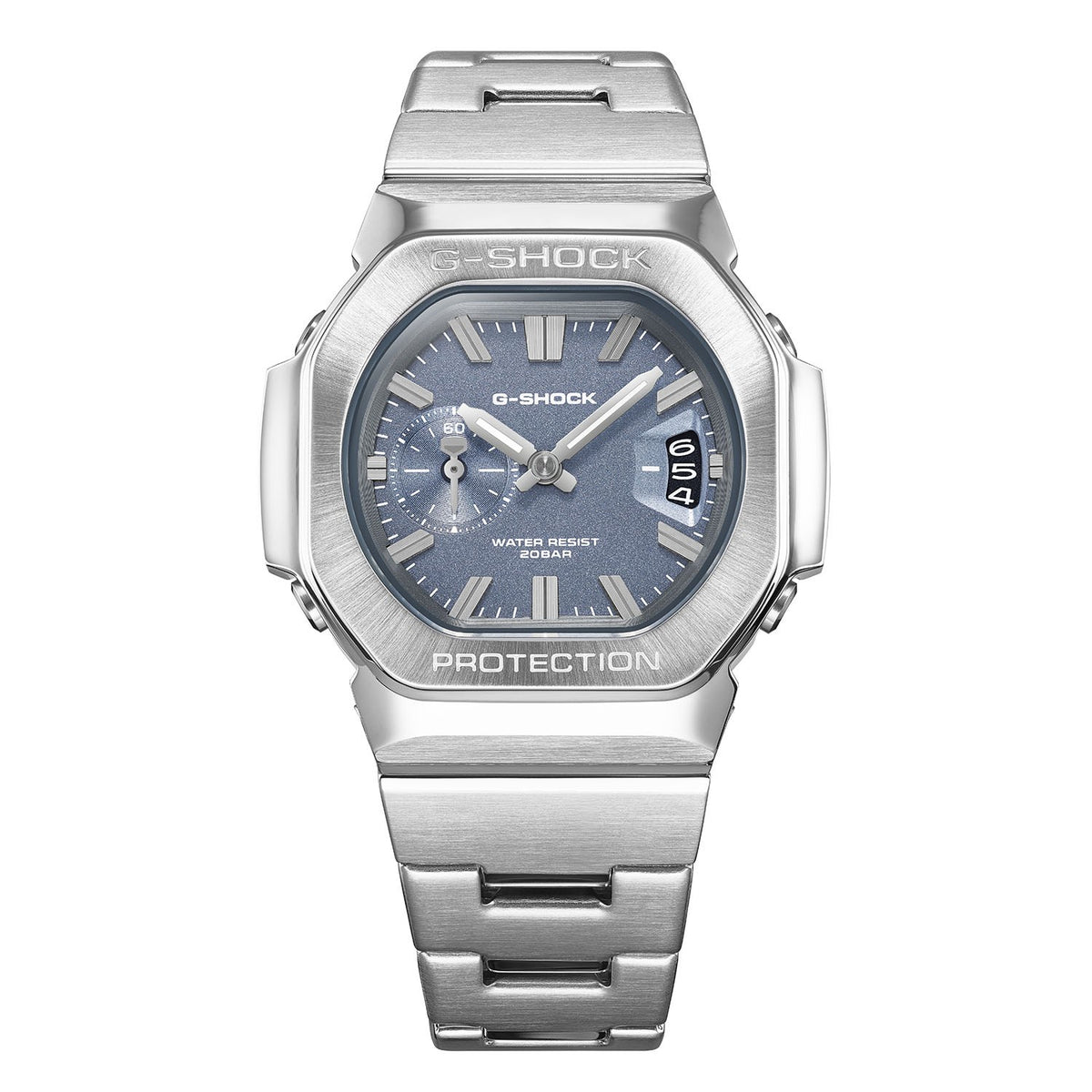
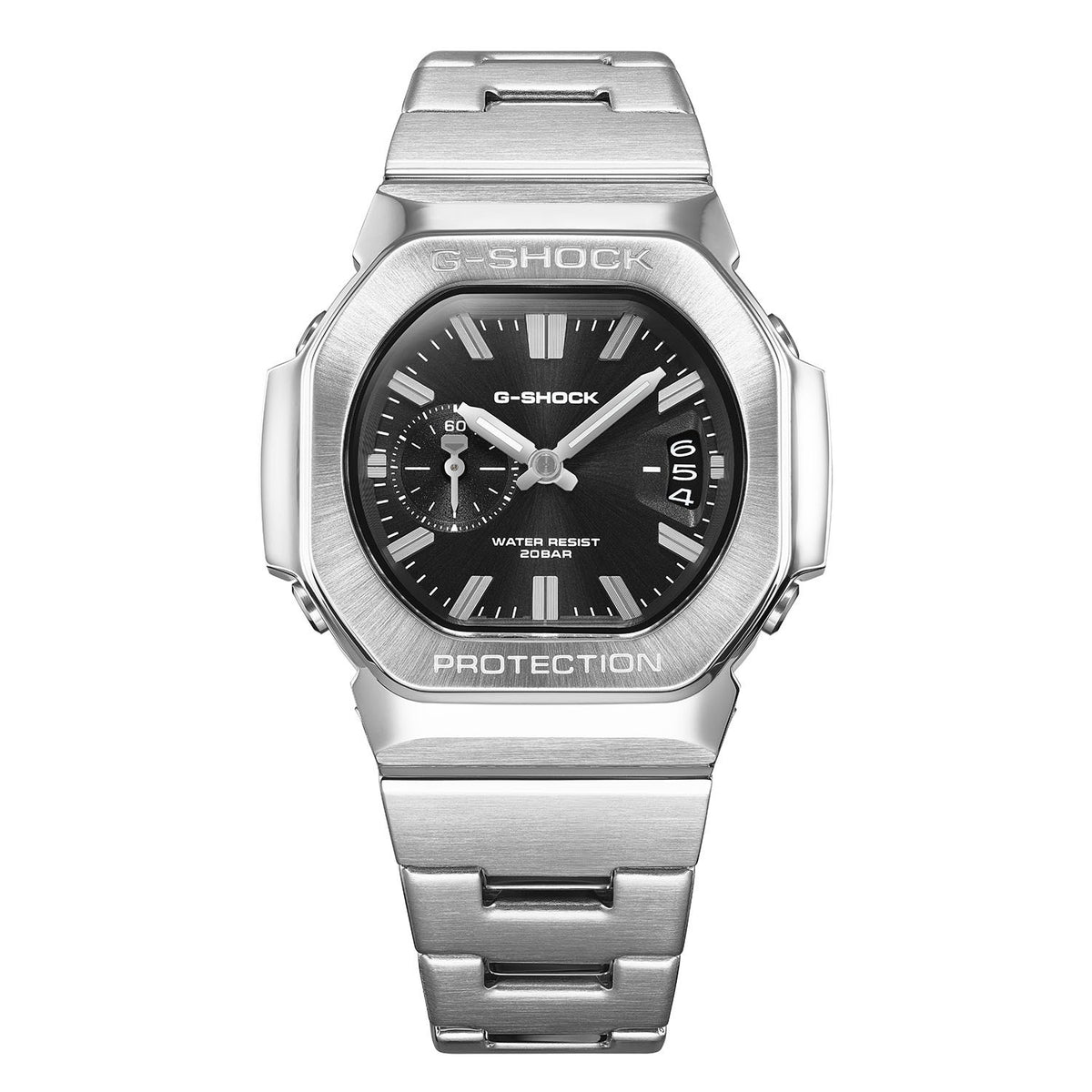
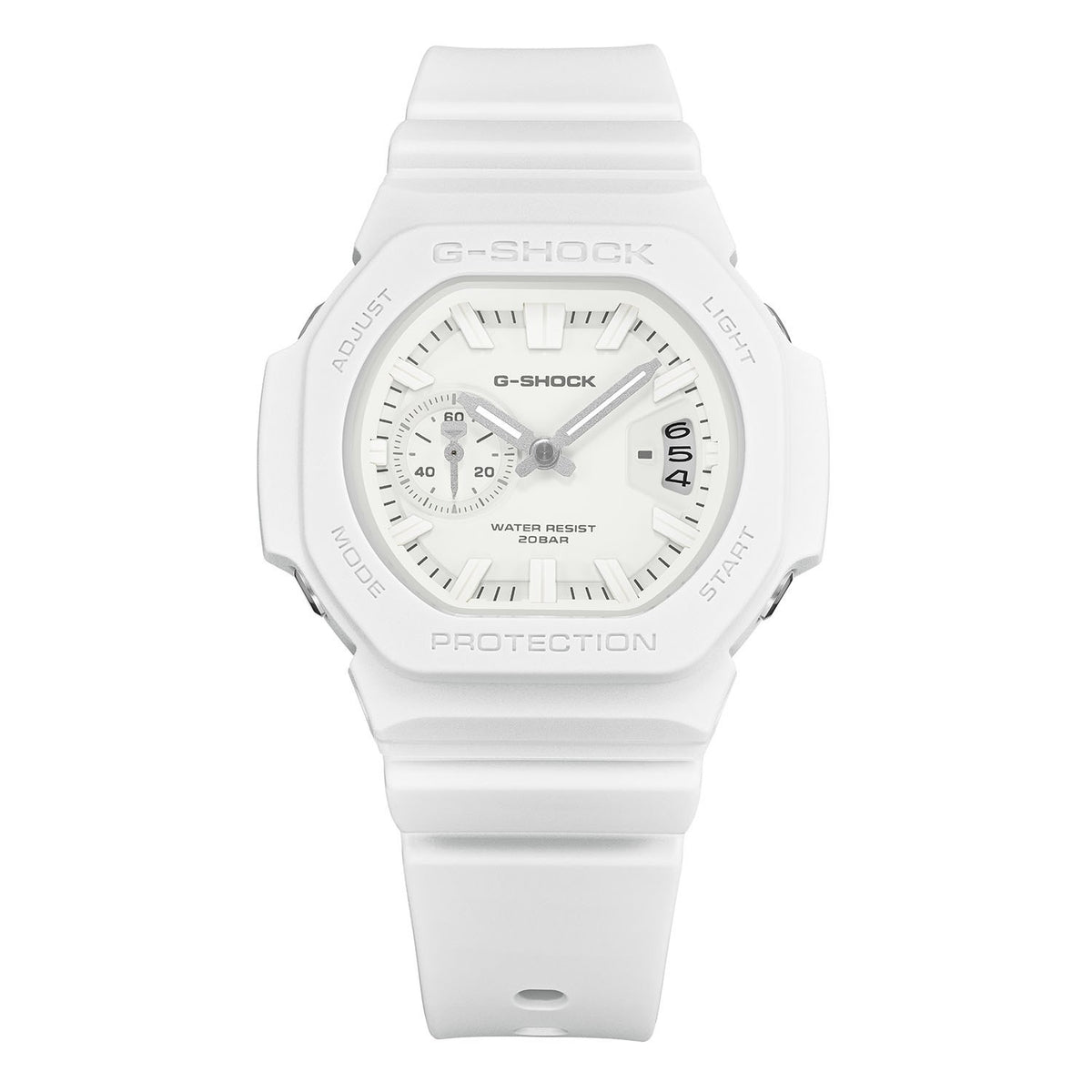
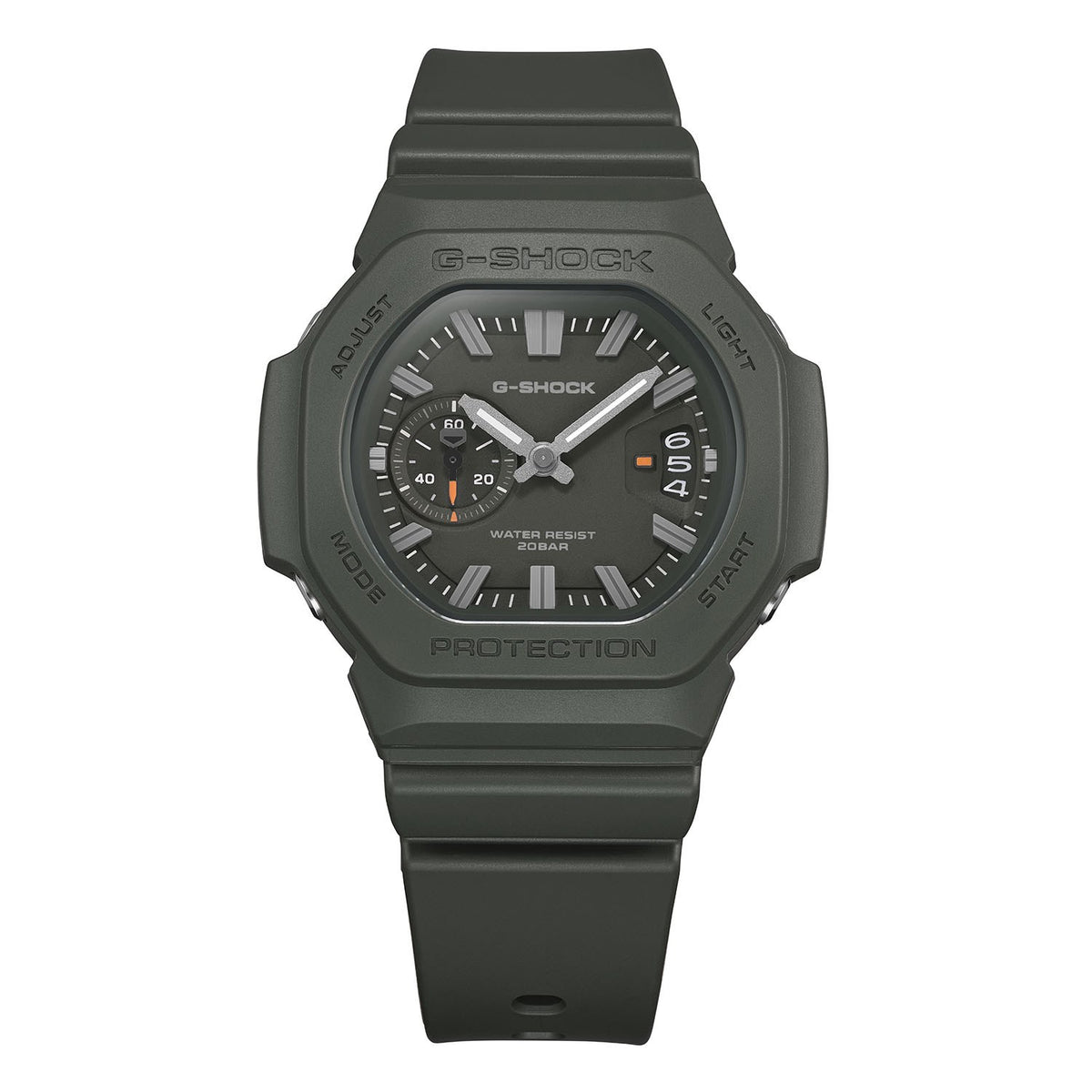
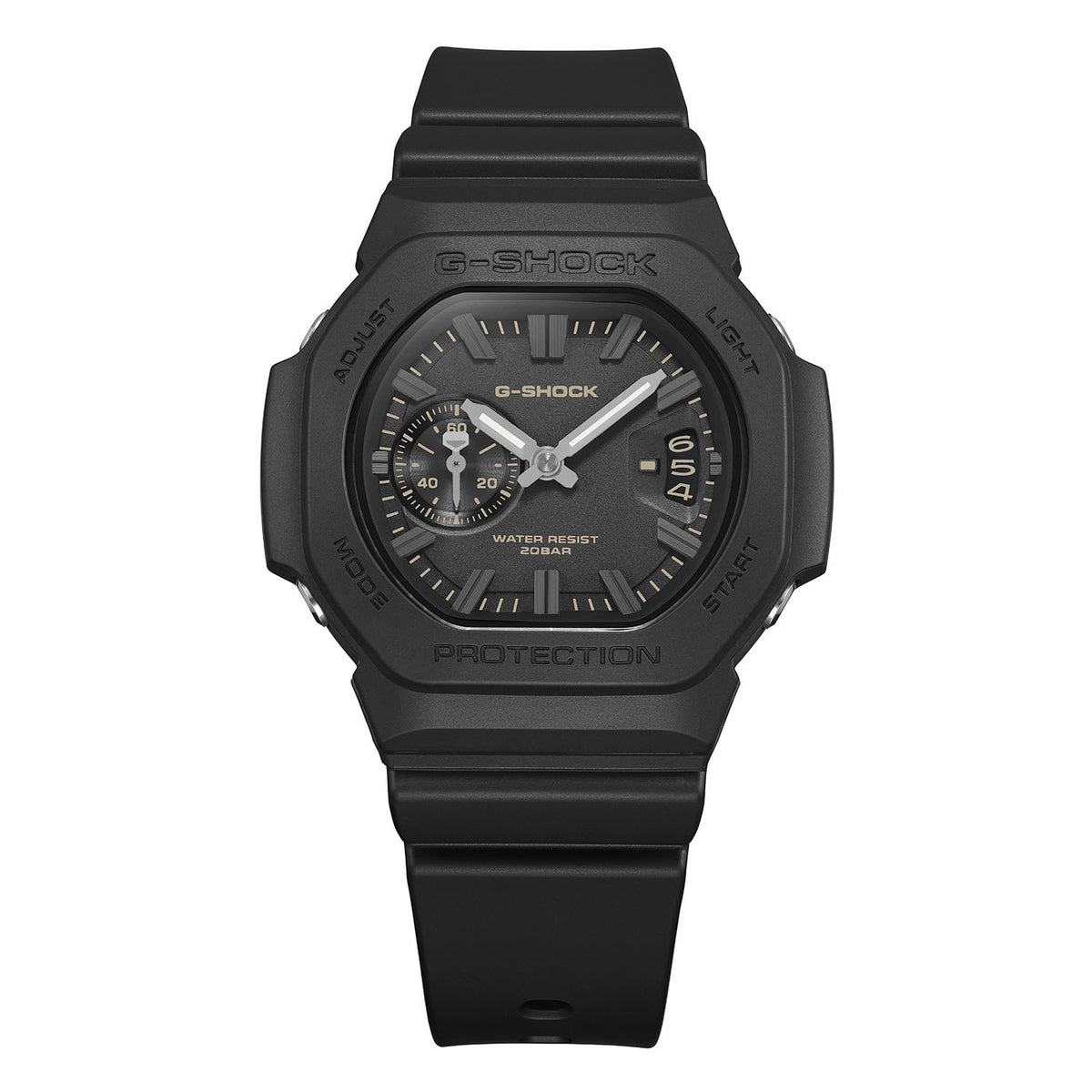
The G-SHOCK 2500 Series is the octagonal G-SHOCK taken fully analogue, and it's available now at Watch Direct. All nine watches in the series are here, and each product page shows whether that model is in stock.
Why is it called the CasioNaut? When the 2500 Series briefly appeared on Casio's Japanese website ahead of launch, watch fans nicknamed it the "CasioNaut" for its rounded octagonal case and pronounced side "ears", a shape some compare to certain luxury sports watches. It follows the GA-2100, which fans call the "CasiOak". The nickname comes from the watch community, not from Casio: G-SHOCK says the 2500 is based on its very first watch, the 1983 DW-5000C.
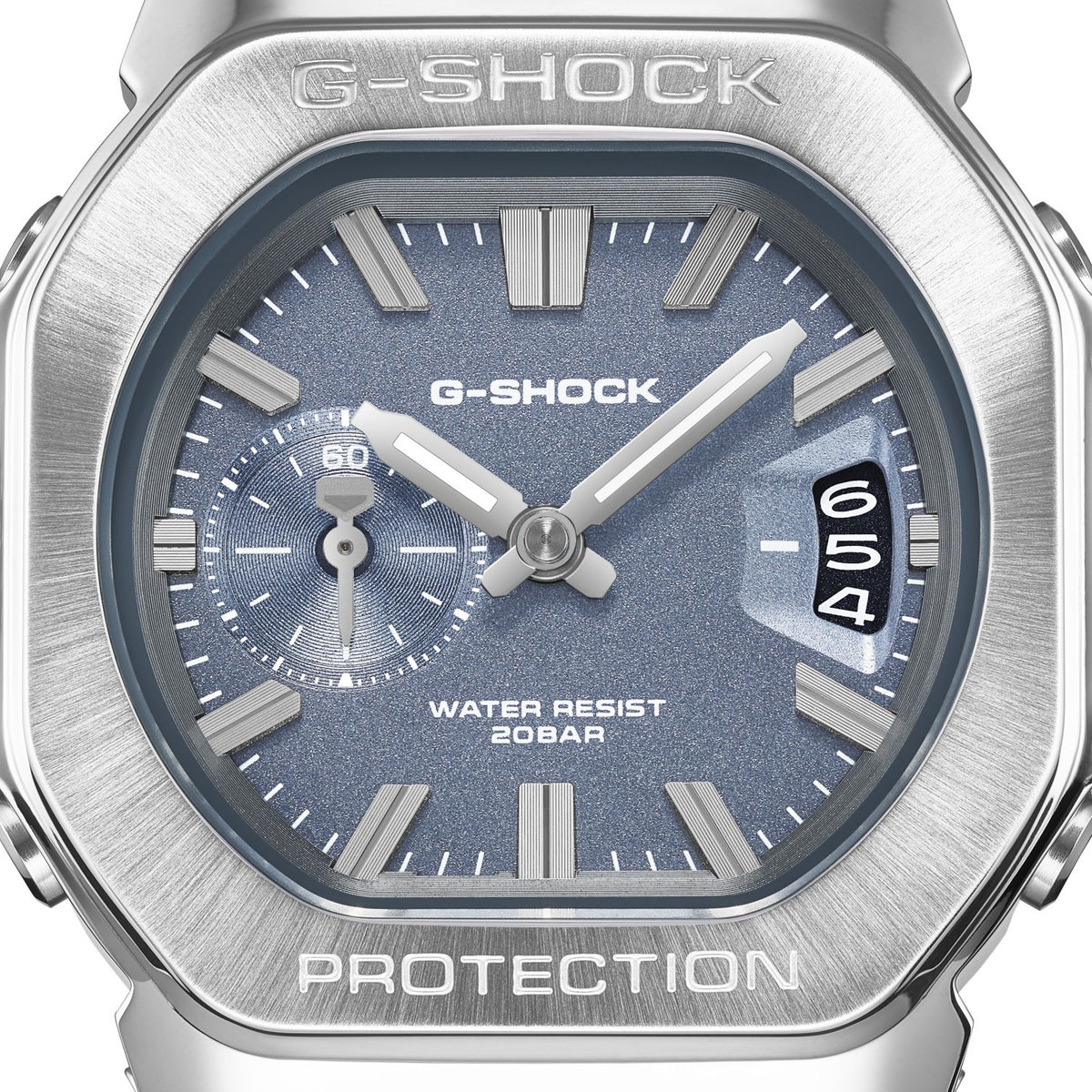
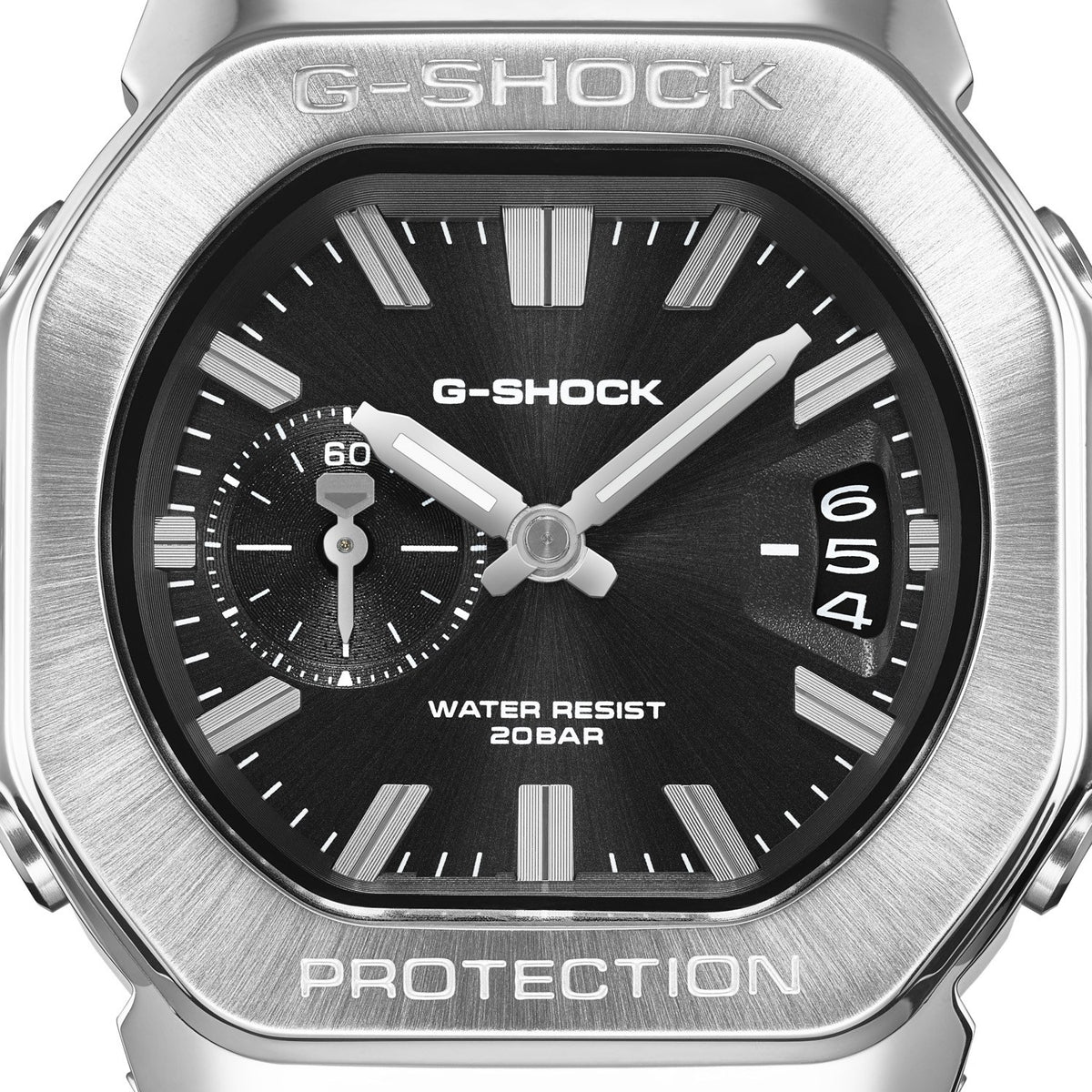
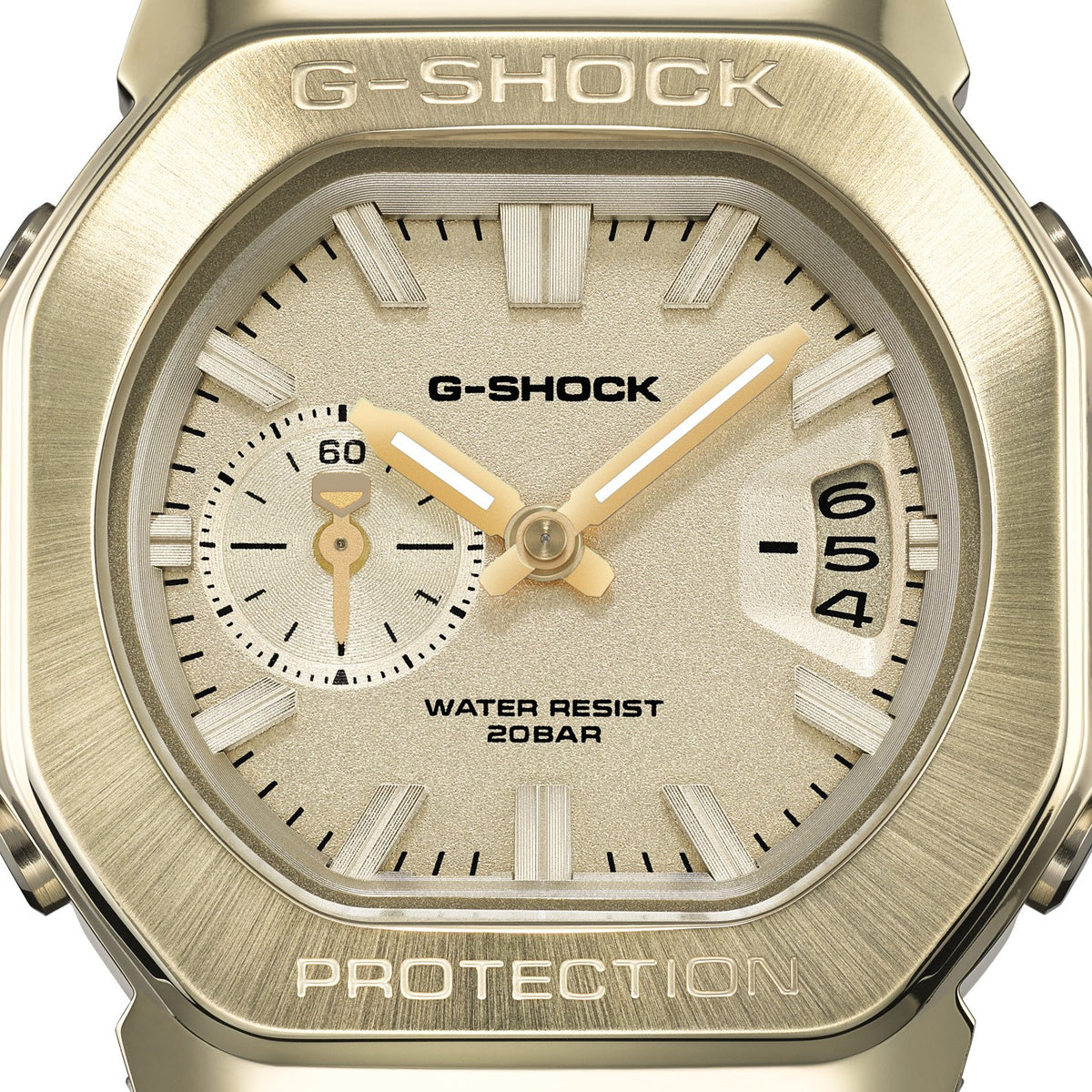
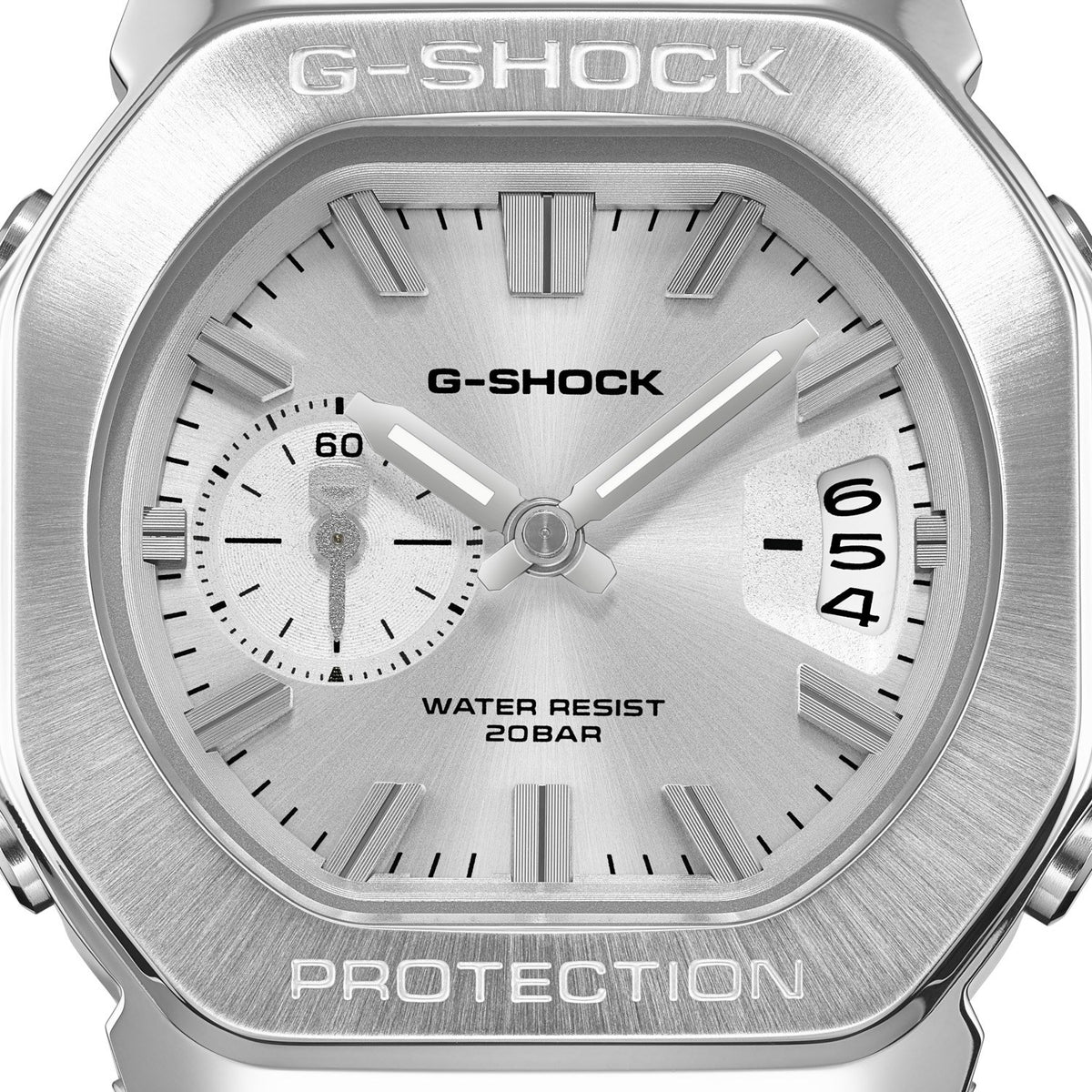
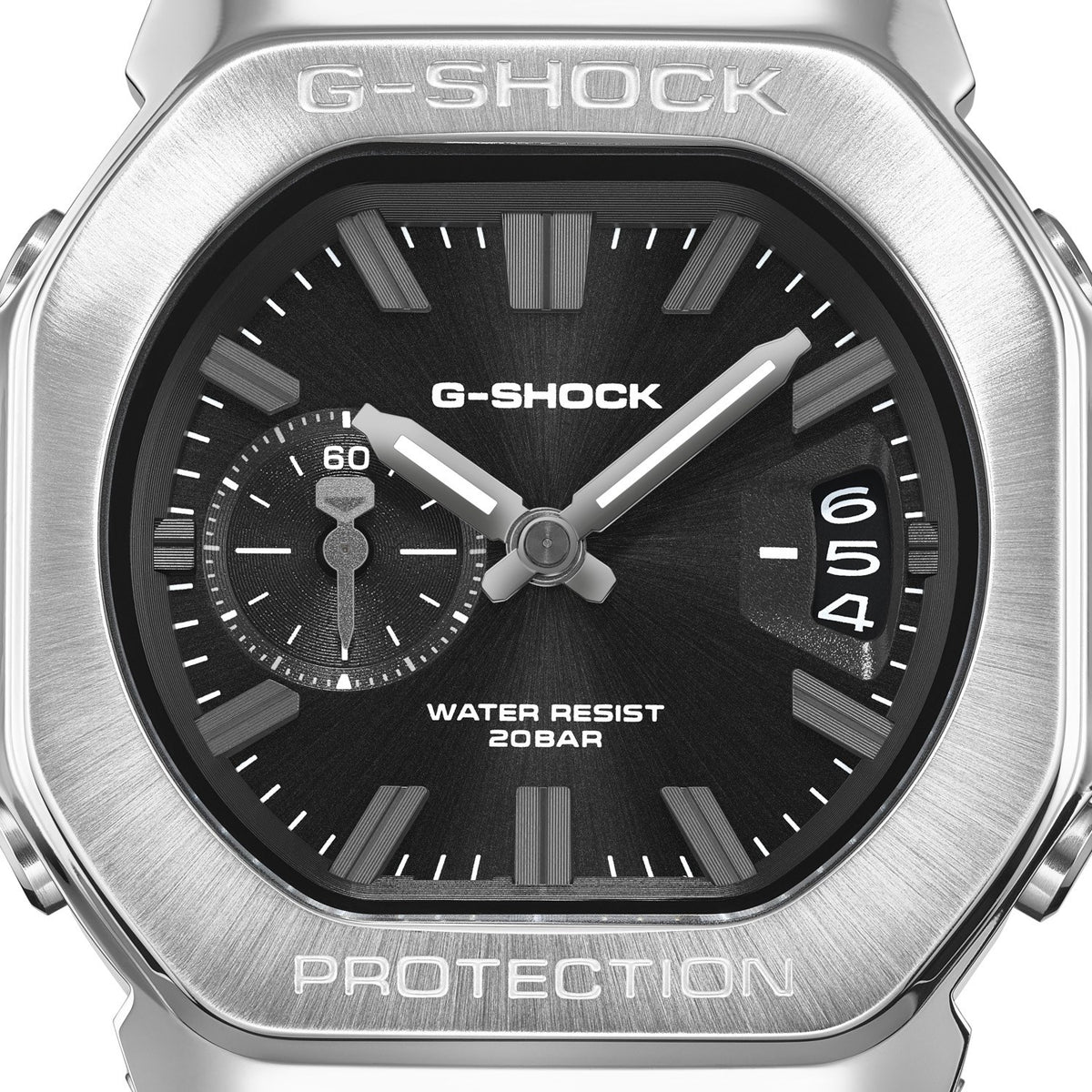
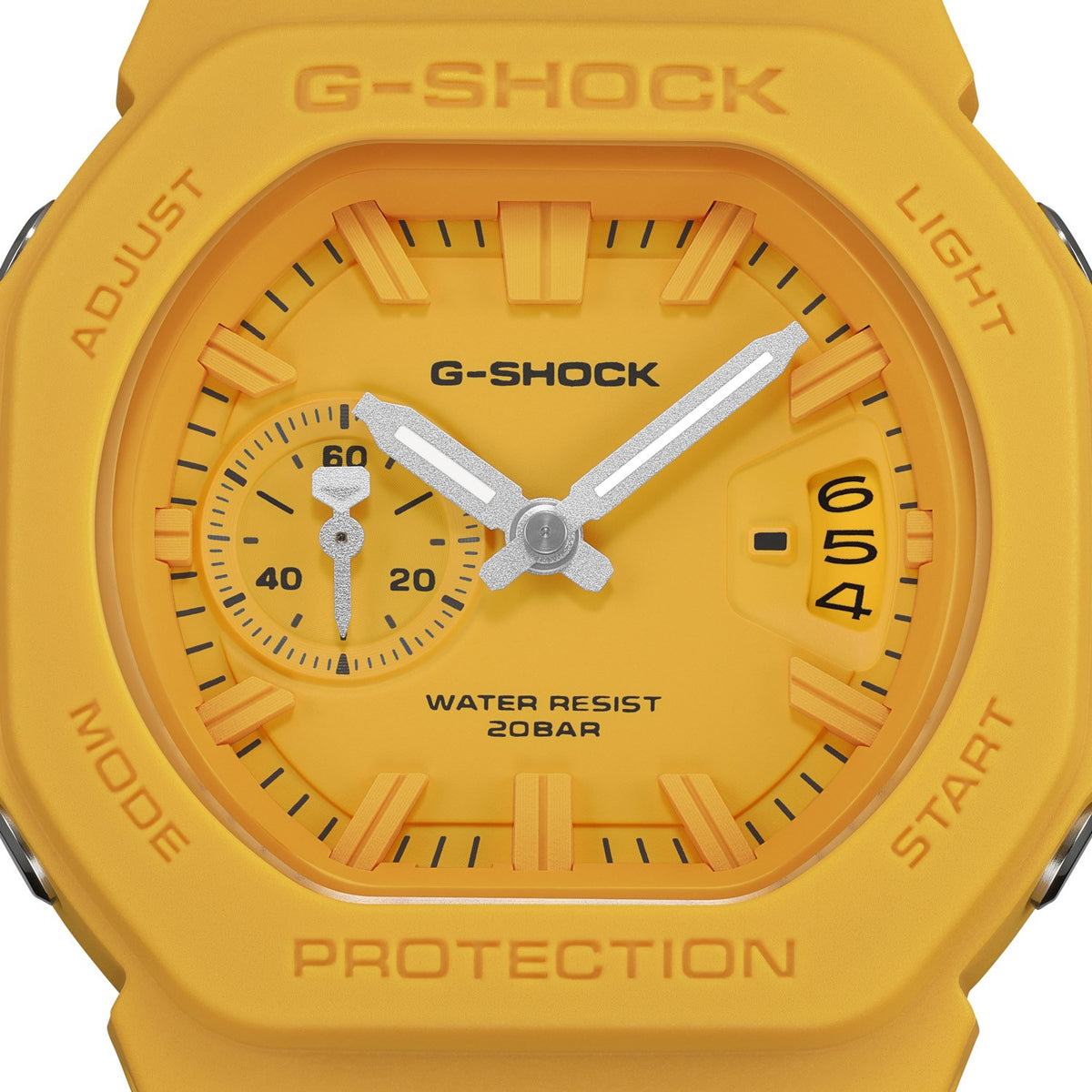
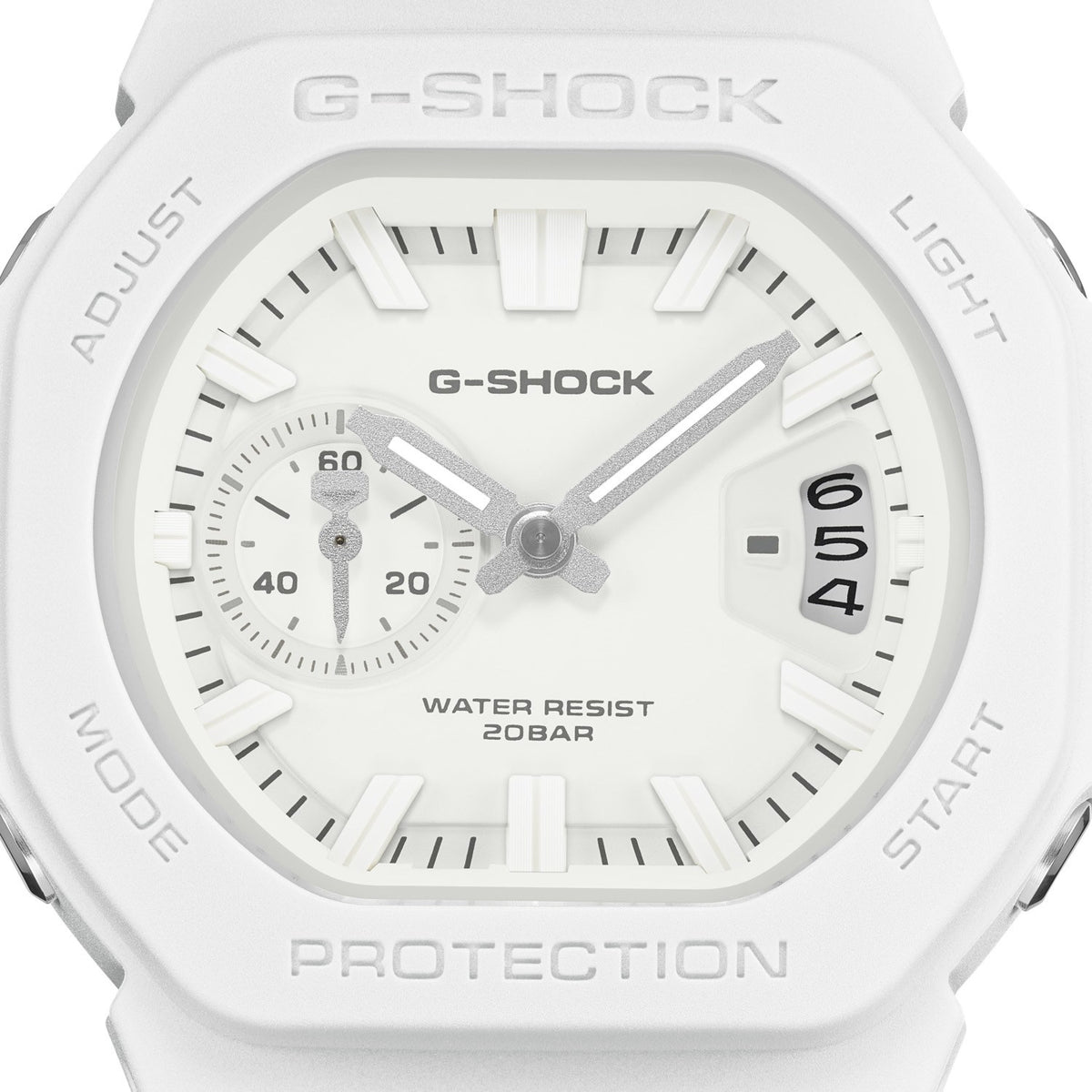
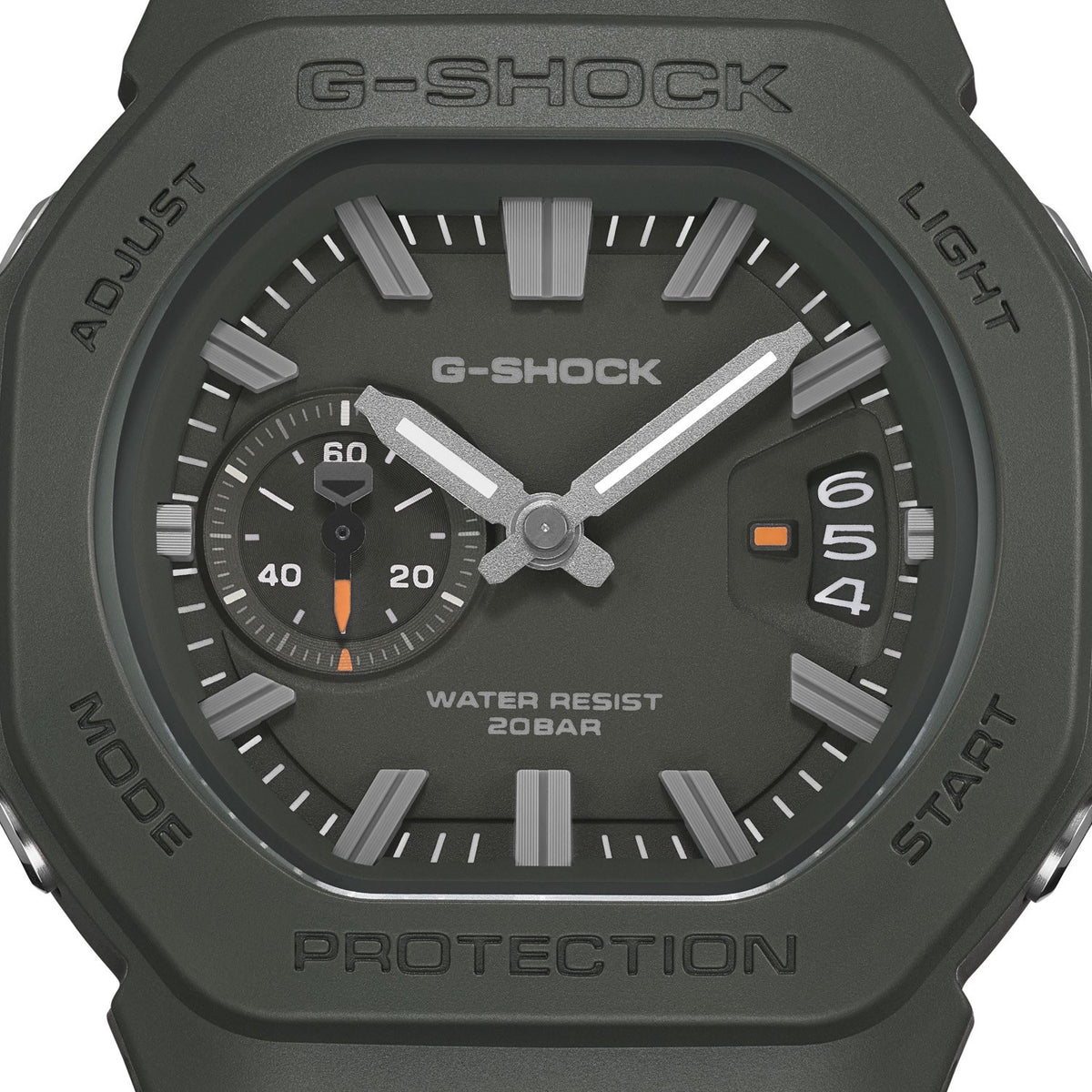
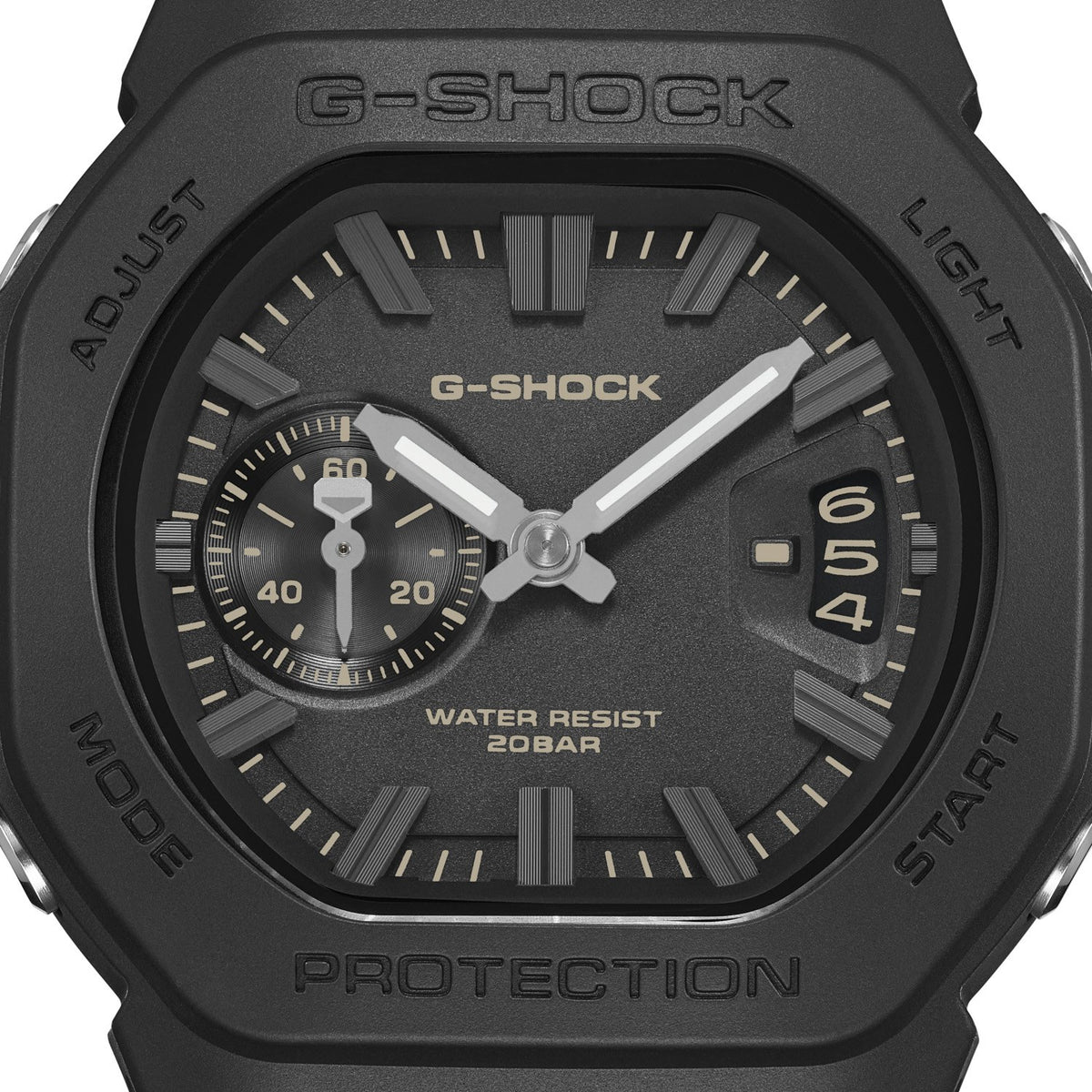
Its roots go all the way back to the DW-5000C, the watch that started G-SHOCK. Take the spirit of the square 5600, give it the eight-sided case of the 2100, then remove the screen entirely. What's left is a clean dial with hands, raised indexes and a small seconds subdial, plus the toughness you'd expect from the name.
The cleverest part sits at 3 o'clock. Multi-Mission Date is a three-cell window that usually shows the date but switches roles when you use the stopwatch or change settings. Set it once and the automatic calendar takes care of short months and leap years for you.
Choosing is mostly about how you dress. The resin GAC2500 models are the lightest and most casual of the range, in four colours made for weekends and travel. The GMC2500 and GMC2500G pair a metal bezel and a brass dial with a resin band, which makes them our pick if you want one watch for the office and the weekend. The GMC2500D models sit on a steel bracelet and are the most polished of the nine, ideal under a shirt cuff.
Want the full story first? Read our in-depth look at the G-SHOCK 2500 Series, then come back to choose your favourite.
CasioNaut FAQs
Is "CasioNaut" an official Casio name?
No. It's a nickname from watch fans and the press. Casio sells these watches as the G-SHOCK 2500 Series.
Which models are CasioNauts?
All nine 2500 Series watches: the resin GAC2500 in black, dark green, white and yellow; the GMC2500 with a metal bezel and resin band in black, silver and gold (GMC2500G); and the GMC2500D on a stainless steel bracelet in black and blue grey. The steel GMC2500D models are currently sold out at Watch Direct.
What's the difference between the CasioNaut and the CasiOak?
The CasiOak (GA-2100) has an analogue-digital display. The CasioNaut (2500 Series) is fully analogue, with no screen: hands, a small seconds subdial and a three-cell Multi-Mission Date window.
How tough is it?
Every 2500 Series watch is shock resistant and water resistant to 200 metres, runs about two years on a CR1025 battery, and is accurate to ±15 seconds a month.